
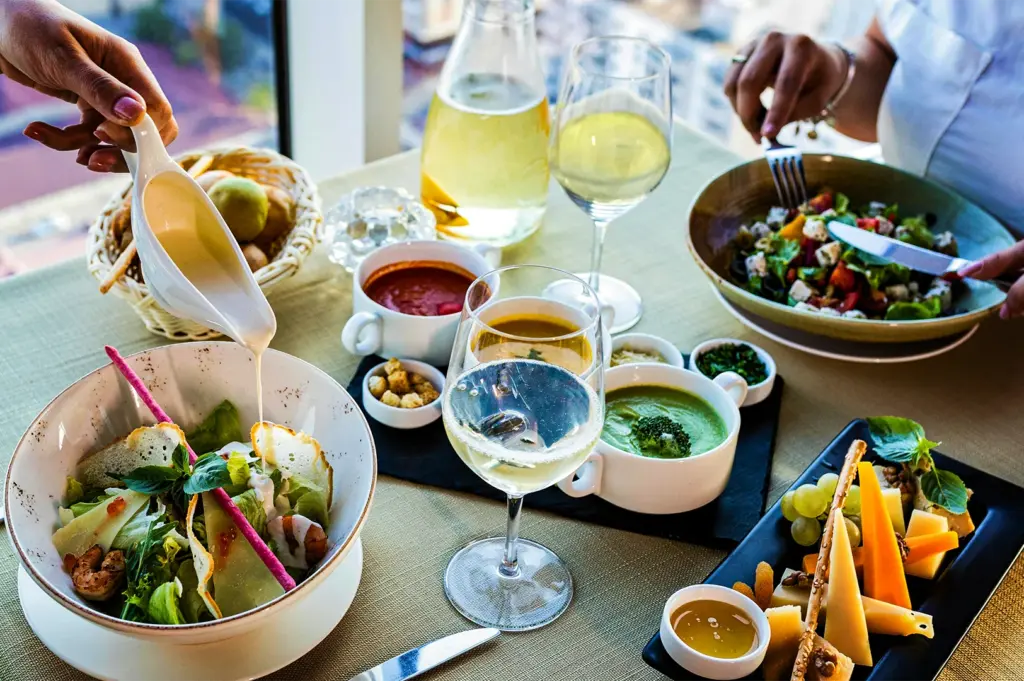
Most meals serve a purpose. They satisfy hunger, provide comfort, or offer a brief pause in the rhythm of a busy day. We eat, we continue, and the details gradually disappear into the background of everyday life. Yet every so often, a restaurant creates an experience that transcends the meal itself. The food may be exceptional, the service flawless, and the setting beautiful, but what remains long after the evening ends is something far more significant.
Some restaurants turn dinner into a memory.
Years later, people may struggle to recall every course they ordered or the exact wine poured into their glass. Yet they remember the feeling of the room. They remember the conversation that unfolded over several hours. They remember the anticipation before the first dish arrived and the reluctance to leave when the evening finally came to an end. The restaurant becomes attached to a moment, and the moment becomes part of their personal story.
This is one of hospitality’s most remarkable achievements.
The finest restaurants understand that dining is never solely about food. Food may be the centerpiece, but the complete experience is shaped by countless other elements. Atmosphere, timing, service, design, lighting, music, and human connection all contribute to how a meal is ultimately remembered. When these components come together harmoniously, dinner becomes something larger than the sum of its parts.
The world’s most memorable dining rooms rarely rely on spectacle alone. While innovation and creativity certainly have their place, lasting impressions are often built through subtlety. There is a quiet confidence that defines great restaurants. They understand who they are. They know the experience they wish to create. Every decision, from the architecture of the space to the final dessert course, supports that vision.
Guests feel this coherence immediately.
The room feels intentional. The service feels natural. Nothing appears forced or overly rehearsed. Instead, the evening unfolds with an ease that encourages guests to relax and become fully present. This sense of comfort is often underestimated, yet it is one of the defining characteristics of exceptional hospitality.
People remember how a restaurant made them feel.
A beautifully plated dish may earn admiration, but emotional connection creates permanence. The restaurants that remain vivid years later are often those associated with meaningful occasions. They become the setting for celebrations, reunions, anniversaries, proposals, achievements, and moments of personal reflection. The food provides the backdrop, but the memory is shaped by the life happening around the table.
This emotional dimension explains why dining holds such a unique place within travel and culture.
When people visit a new city, restaurants often become one of the most direct ways to understand it. Through ingredients, traditions, techniques, and hospitality, a destination reveals part of its identity. A meal becomes a conversation between place and guest. The strongest restaurants understand this responsibility and embrace it thoughtfully.
A remarkable restaurant does more than serve excellent food. It communicates a sense of place.
The setting might overlook a city skyline, sit within a historic building, or occupy a quiet corner hidden from the crowds. Regardless of location, the experience feels rooted in its surroundings. Guests leave with a deeper appreciation of where they are and what makes that destination unique.
This connection between food and place is particularly powerful because memory is often sensory. A specific aroma can instantly transport someone back to a restaurant visited years ago. The flavor of a particular dish can trigger recollections that seemed forgotten. Even the sound of conversation in a dining room or the glow of evening light through a window can become permanently linked to a moment in time.
Restaurants possess a unique ability to preserve these experiences.
Unlike many forms of entertainment, dining engages all the senses simultaneously. Guests see, smell, taste, hear, and feel the environment around them. The experience becomes immersive, making it more likely to remain embedded in memory. This is why certain meals feel so vivid long after they have ended.
The role of service in creating these memories cannot be overstated.
Exceptional service rarely draws attention to itself. Instead, it enhances the experience quietly and consistently. The best hospitality professionals understand timing, empathy, and anticipation. They know when to engage and when to step back. They recognize that every table is different and adjust accordingly.
Guests may not remember every interaction in detail, but they remember the overall impression. They remember feeling welcomed. They remember feeling valued. They remember the sense that someone genuinely cared about the quality of their evening.
These emotions become inseparable from the memory of the restaurant itself.
Interestingly, memorable restaurants are not always the most expensive or exclusive. Luxury can elevate an experience, but it is not the sole determinant of significance. Some of the most cherished dining memories occur in modest spaces with limited menus and simple surroundings. What matters is authenticity.
Authenticity creates trust.
Guests recognize when a restaurant is guided by genuine passion rather than performance. They appreciate establishments that remain committed to their identity rather than chasing trends. The most enduring restaurants often possess a strong sense of purpose, and that purpose resonates with diners.
In today’s dining landscape, where social media frequently emphasizes visual impact, it is worth remembering that true hospitality extends beyond what can be photographed. The restaurants people return to repeatedly are rarely chosen because they look impressive online. They return because of how those places make them feel.
There is comfort in familiarity.
There is joy in anticipation.
There is meaning in revisiting spaces that hold personal significance.
Over time, these restaurants become landmarks within our lives. They mark chapters, milestones, and transitions. They remind us of who we were when we first sat at that table and who we have become since then.
This is why the best restaurants never focus solely on serving food.
They focus on creating experiences worth remembering.
Every decision contributes to that goal. The menu reflects a philosophy. The service reinforces a culture of hospitality. The atmosphere encourages connection. Together, these elements transform a meal into something more enduring.
In the end, people rarely remember every dinner they have eaten.
But they remember the exceptional ones.
They remember the evening that seemed to unfold perfectly. They remember the restaurant where an important conversation took place. They remember the table that overlooked a remarkable view or the dining room that made time feel slower for a few precious hours.
Those memories endure because they were never just about the food.
They were about the experience.
They were about the people.
They were about the moment.
Some restaurants turn dinner into memory because they understand that hospitality is not merely about serving a meal. It is about creating an occasion that remains meaningful long after the last plate has been cleared.
And when a restaurant achieves that, it becomes far more than a place to eat.
It becomes part of a person’s story.