
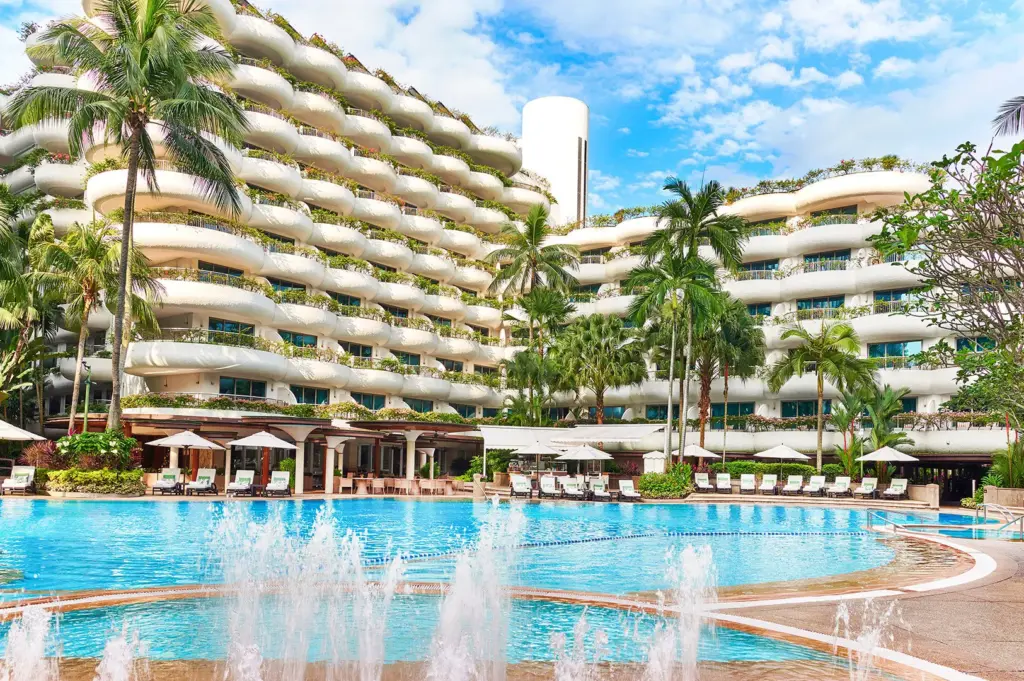
I arrive just after the doors open, when the morning is still settling into itself. The light at Shangri-La Singapore filters in softly, muted, diffused through greenery just beyond the windows. It feels less like the start of a service and more like a continuation of rest. I’m guided to a table without pause, the movement smooth, almost instinctive.
In these early moments, the room holds a quiet balance. A few tables are occupied, mostly solo guests or pairs, seated with an unspoken understanding of space. Conversations are minimal, replaced by the low rhythm of cutlery and soft footsteps. Staff move gently between tables, attentive but unhurried, as if the morning itself is setting the pace. The buffet is fully set, but approached slowly, guests moving through it with intention rather than urgency, pausing briefly before selecting, then returning to their tables without disruption.
There is a quiet clarity in how the stations are arranged. Nothing feels crowded or overextended. Warm dishes are replenished steadily, pastries rest in neat rows, and the live stations operate with a soft efficiency. I notice that even here, interaction is minimal, requests are acknowledged quickly, plates prepared without delay, allowing the rhythm of the room to remain undisturbed.
By mid-morning, the atmosphere shifts. The room fills gradually, and with it comes a broader mix of guests, families easing into the day, business travelers moving with quiet efficiency. The sound deepens, not louder, but fuller. Movement around the buffet becomes more continuous, though still controlled. Lines form briefly, then dissolve, as staff adjust pacing behind the counters.
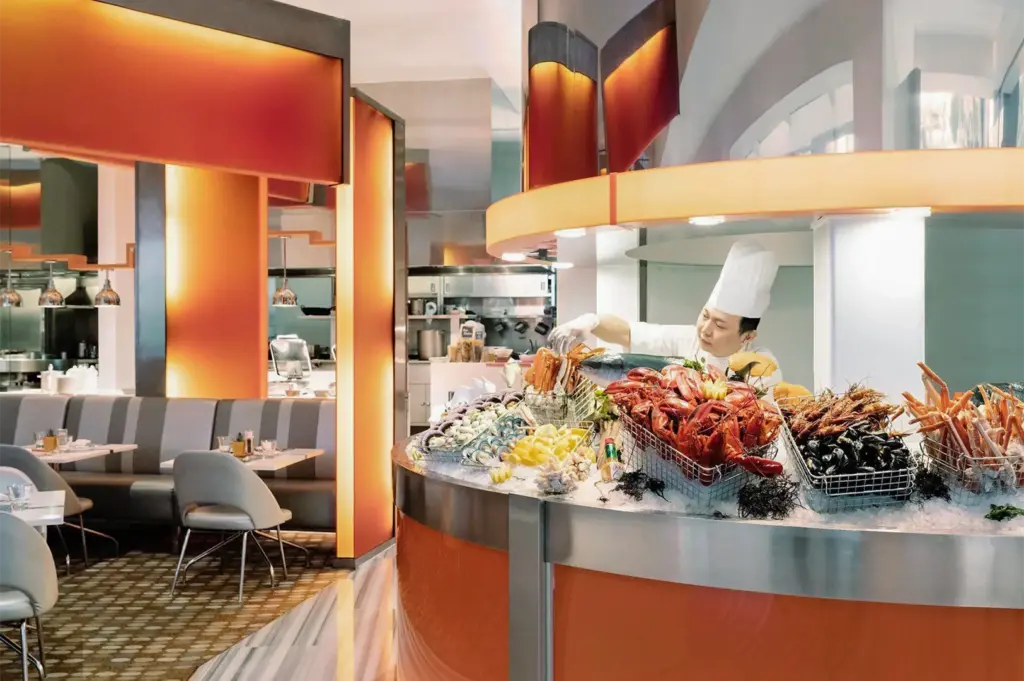
Service adapts without announcement. Plates are cleared more quickly, coffee refilled with greater frequency, and the live stations begin to operate at a steadier cadence. The à la carte elements, eggs, noodles, small made-to-order dishes, flow seamlessly into this rhythm, appearing at tables without delay, never interrupting the overall pace.
I notice how the layout absorbs the change. Pathways remain clear, tables turn over without disruption, and the flow between arrival and departure feels uninterrupted. It is here that the sense of breakfast brilliance reveals itself, not in excess, but in how seamlessly the room sustains both calm and movement at once.
As the peak softens, the pace loosens again. Guests linger a little longer, conversations stretch, and the room returns to a quieter state. The buffet remains active but unhurried, with fewer movements, more pauses. Leaving feels gradual, not defined by a moment but by a gentle shift outward.For more reflections on refined hotel dining experiences, visit https://luxuryhotelmeals.com/.