

There is a difference between a hotel that serves a purpose and a hotel that shapes a memory. Some properties offer a comfortable bed, a convenient address, and a smooth check-in. They do their work efficiently, then disappear from the story once the trip is over. Others linger. They remain through smaller impressions: the scent of a lobby after rain, the angle of morning light across a breakfast table, the quiet efficiency of a staff member who appears before inconvenience becomes visible.
At the finest hotels, these details are not accidental. They are part of a larger discipline. Luxury hospitality, at its highest level, is not simply accommodation. It is experience design. Every material, gesture, transition, and pause contributes to how a guest feels inside a place. In Singapore, where service standards are exacting and hotel competition is intense, this philosophy becomes especially clear. The best properties do not merely receive guests. They compose the conditions for memory.
The Space and Philosophy: Designing More Than Accommodation
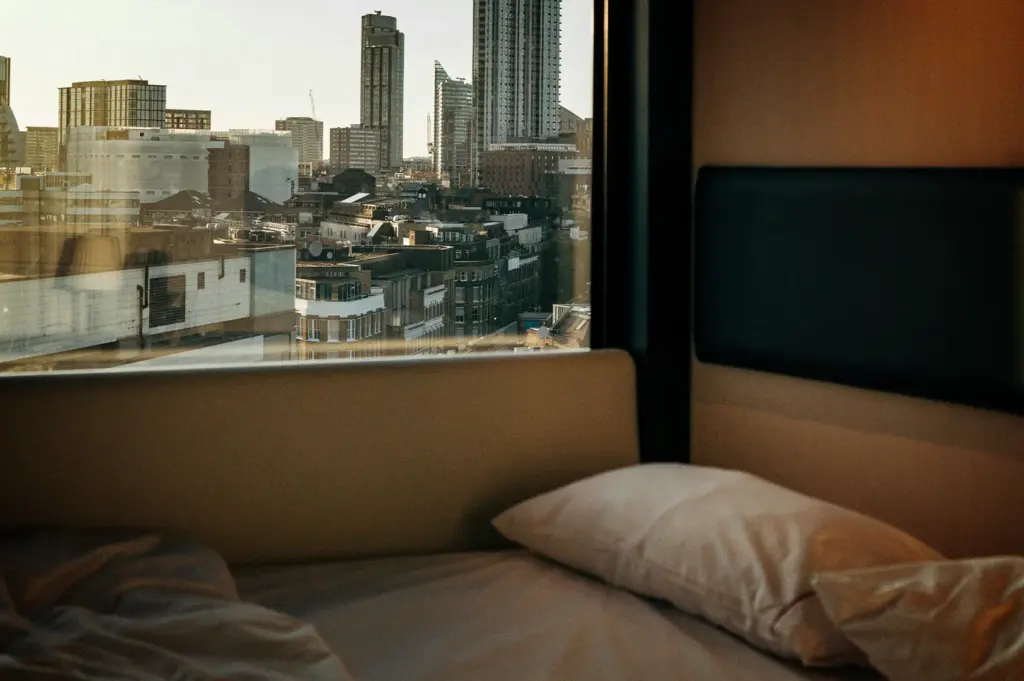
The most remarkable hotels begin with a clear point of view. They do not rely on excess alone. Instead, they create environments with intention. A grand entrance may suggest a ceremony. A shaded courtyard may invite stillness. A dining room with low lighting and generous spacing may encourage guests to slow down, settle in, and stay longer than planned.
Luxury hospitality has changed. Today’s discerning travelers are often less interested in obvious displays of wealth and more drawn to atmosphere, authenticity, privacy, and thoughtful design. Marble and chandeliers still have their place, but they are no longer enough. A truly exceptional hotel knows what it wants you to feel.
The Power of Intentional Design
Space influences emotion before service begins. A well-designed lobby can create anticipation before a guest reaches reception. A carefully framed view can shift the mood of an afternoon. A quiet corridor can restore calm after a long flight. These moments may seem subtle, but they shape the full perception of a stay.
In Singapore, where urban density and architectural precision define much of the city, the best hotels create distinct worlds within the city. A resort on Sentosa may use greenery, open-air walkways, and sea views to slow the body down. A Marina Bay hotel may frame the skyline with cinematic restraint. A heritage property may use proportion, texture, and silence to remind guests that time can move differently indoors.
The strongest luxury hotels often share a few qualities:
- Architecture that responds to local culture, climate, and landscape
- Natural materials that feel warm rather than decorative
- Light, greenery, and space used with purpose
- Public areas designed for lingering, not just passing through
- A clear identity that avoids generic luxury
The result is a hotel rooted in place. It could not be lifted from Singapore and placed elsewhere without losing part of its meaning.
For a wider perspective, you can discover more Marina Bay Sands dining experiences.
The Craft Behind Exceptional Hospitality

Outstanding hotels rely on craft in the same way great restaurants, bars and ateliers do. Hospitality is sometimes misunderstood as warmth alone. Warmth matters, but true luxury service requires more than friendliness. It demands timing, memory, discretion, emotional intelligence, and the ability to respond to different guests without making that response feel scripted.
Every interaction reflects systems, training, observation, and judgment. The best service feels natural because so much work has gone into making it appear that way.
Service as a Discipline
The finest hospitality professionals anticipate needs without intruding. They understand timing. A recommendation arrives before uncertainty becomes frustration. Assistance appears before a guest has to search for it. A server senses when a table wants privacy. A concierge understands the difference between a popular suggestion and the right one.
Luxury lives in balance. Too little attention feels absent. Too much becomes oppressive.
Exceptional hotel service is often defined by:
- Genuine attentiveness rather than rehearsed friendliness
- Deep local knowledge and thoughtful recommendations
- Consistency across departments
- Confidence without stiffness
- Adaptability to different guest temperaments
When executed well, service feels personal rather than procedural. The guest does not feel managed. They feel understood.
Signature Experiences That Define Great Hotels
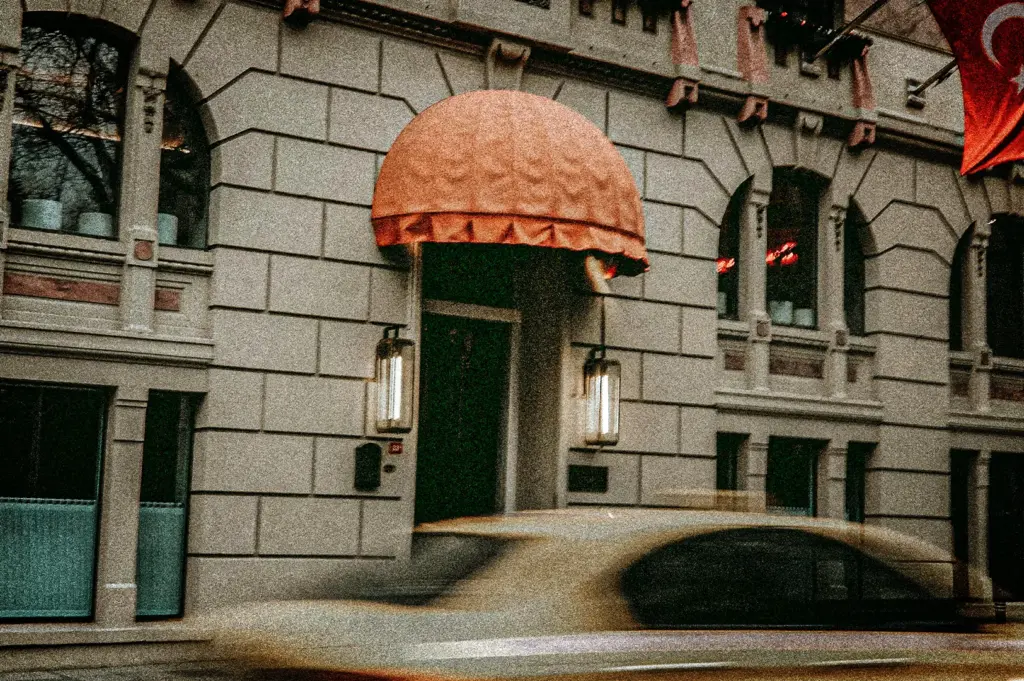
Exceptional hotels distinguish themselves through experiences that cannot be easily replicated elsewhere.
A beautiful room can impress. A well-run lobby can reassure. But the moments that remain most vivid are often more specific: breakfast by the water, a cocktail at dusk, a spa treatment that resets the body, or a quiet lounge where the city feels momentarily far away.
These experiences give a hotel character. They become the stories guests carry home.
Dining That Shapes the Stay
Food has become one of the defining elements of modern luxury hospitality.
Many travelers now choose hotels not only for location or room category, but for their restaurants, bars, and culinary programs. In Singapore, this is especially true. The city’s dining culture is among the most sophisticated in Asia, and hotel restaurants must compete not only with one another but with an extraordinary independent food scene.
The best hotel dining does more than serve in-house guests. It draws locals. It gives the property a public identity. It turns the hotel into part of the city’s culinary conversation.
A memorable hotel restaurant does not feel like a tenant inside the building. It feels woven into the property’s rhythm.
The strongest dining experiences often include:
- Menus shaped by local ingredients or regional perspective
- A clear culinary point of view
- Thoughtful wine, cocktail, or tea programs
- Architecture and lighting that support the meal
- Service that enhances without interrupting
At the highest level, dining becomes a form of storytelling. A breakfast room can define the mood of a morning. A Cantonese restaurant can express heritage through restraint. A rooftop bar can turn the skyline into part of the drink.
The best hotel restaurants do not simply occupy space. They deepen the stay.
The Experience: What Guests Can Expect
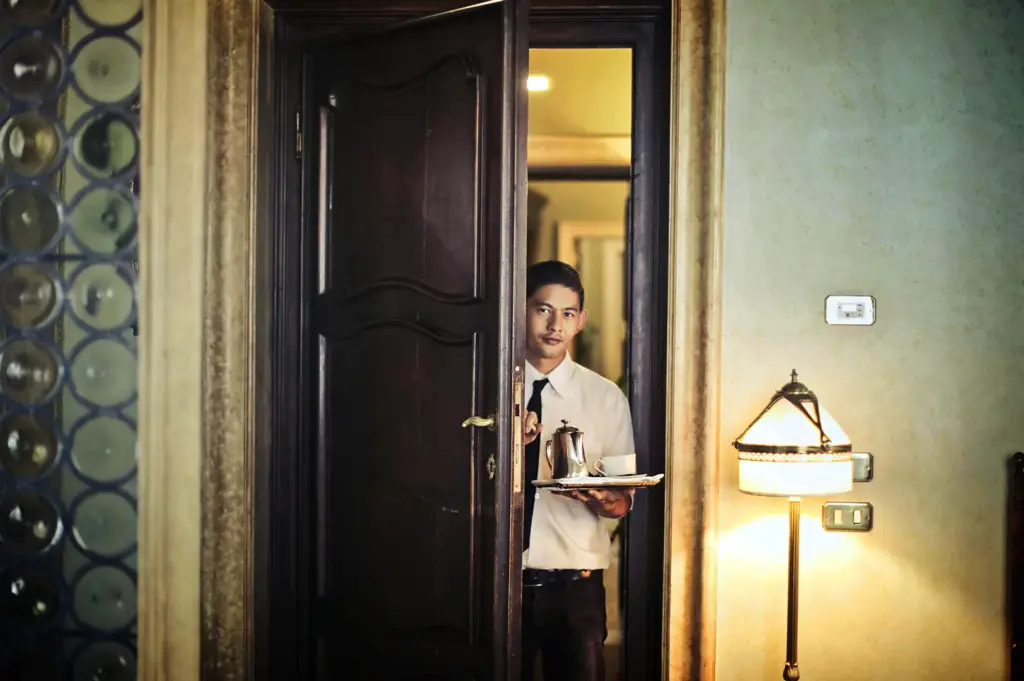
The defining quality of a truly exceptional hotel is consistency.
Luxury is not measured by one impressive moment. It is measured by the ability to sustain quality across every stage of the guest experience. Arrival, rooming, dining, housekeeping, wellness, departure. Each touchpoint either reinforces the hotel’s promise or weakens it.
The best hotels understand that a stay is a continuous narrative. A flawless dinner cannot fully compensate for a chaotic arrival. A beautiful room loses some impact if service feels indifferent. The whole experience must hold together.
Arrival
First impressions matter because travel often leaves people exposed.
Guests arrive tired, early, late, overheated, overpacked, or carrying the invisible strain of airports and schedules. Outstanding hotels understand this. Their arrival experience is designed to reduce friction immediately.
A strong arrival usually includes:
- A smooth and efficient check-in process
- A warm, personalized welcome
- Clear guidance without excessive formality
- Immediate attention to practical needs
- A sense that the hotel has been expecting you
The goal is simple: move the guest from motion into ease.
During the Stay
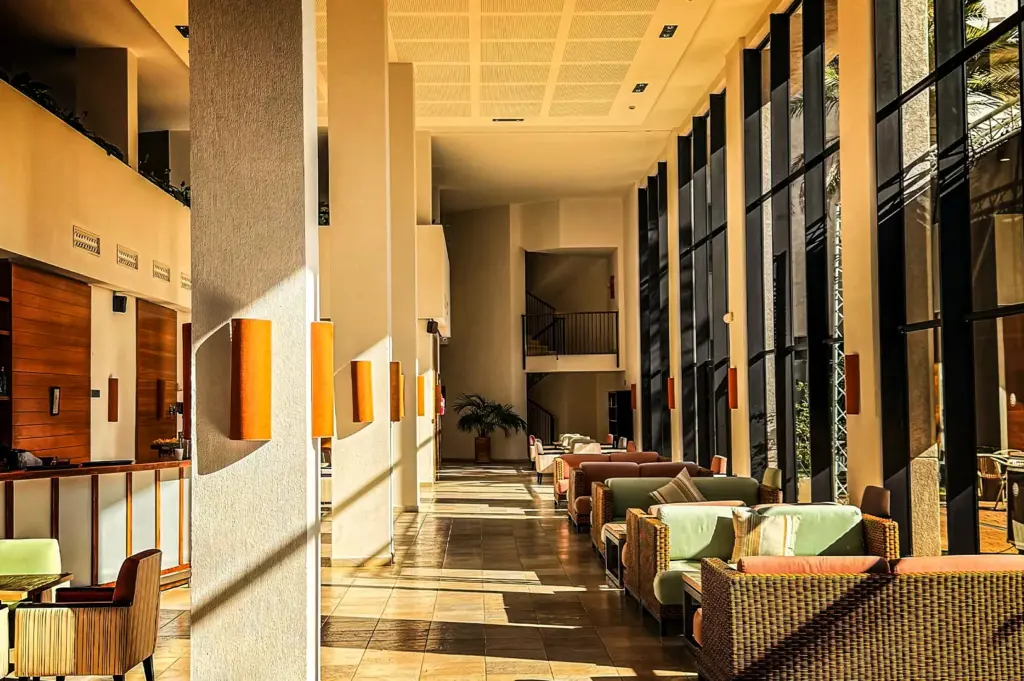
Once settled, guests begin to notice the details that separate excellent hotels from merely good ones.
Housekeeping becomes one of the clearest measures. Great housekeeping is not just cleanliness. It is consistency, discretion, and an understanding of how guests live in a room. The placement of items matters. The timing of service matters. The room should feel restored without feeling disturbed.
Staff memory also becomes important. A remembered name can be pleasant. A remembered preference can be powerful. It signals attention without requiring the guest to repeat themselves.
During the stay, the most meaningful details often include:
- Housekeeping performed with quiet precision
- Staff who remember preferences without overplaying them
- Amenities that feel useful rather than ornamental
- Recommendations tailored to individual interests
- Flexible service that adapts to changing plans
By the second or third day, the guest may feel the hotel adjusting around them. That is when accommodation begins to feel like care.
Practical Information: Making the Most of the Experience
For travelers seeking memorable hotel experiences, preparation can enhance the stay considerably.
Choosing a hotel should involve more than comparing room categories and rates. The best property for one traveler may not be the best for another. A resort designed for stillness may disappoint someone seeking nightlife. A grand urban hotel may not suit a guest craving seclusion. A design-led boutique property may delight one traveler and feel too restrained to another.
The more clearly you understand the purpose of your trip, the better your hotel choice becomes.
Before Booking
Before confirming a stay, consider the larger experience you want.
Are you traveling for rest, celebration, business, food, wellness, family time, or cultural exploration? Do you want a hotel that acts as a retreat, or one that places you in the center of the city? Do you prefer formal service or relaxed polish?
It helps to review:
- The property’s design philosophy
- Dining and bar offerings
- Wellness facilities and spa programs
- Location advantages and transport access
- The overall atmosphere and guest profile
The right hotel should support the mood of the journey. It should not work against it.
Pricing Expectations
Luxury hotels command premium rates because they deliver more than a room.
Pricing reflects location, service, design, dining programs, wellness facilities, staffing levels, privacy, maintenance, and the overall quality of the guest experience. A high nightly rate may seem difficult to justify if measured only by square footage. It often makes more sense when considered as a complete environment.
Experienced travelers evaluate value differently. They ask not only, “What does the room include?” but also, “How will this place shape the trip?”
A memorable hotel can change the pace of a visit. It can make mornings easier, evenings richer, and transitions smoother. That value is harder to measure, but often more meaningful.
When to Visit
Singapore is a year-round destination, though certain periods may feel especially appealing depending on the purpose of the trip.
Many travelers find February to April and July to September particularly attractive, with active dining, cultural, and lifestyle calendars. Major holidays, international conferences, and festive periods can increase demand at top properties, so early booking is wise.
For highly sought-after hotels, book well in advance if your dates are fixed. This is especially important for suites, resort villas, club rooms, special packages, and restaurant reservations.
A great stay often begins before arrival. The more intentional the planning, the more effortless the experience can feel once you are there.
Conclusion
The most memorable hotels do more than provide a place to sleep. They become part of the journey itself. Through thoughtful design, exceptional service, and meaningful experiences, they leave lasting impressions long after checkout.
That is why choosing the right hotel deserves as much consideration as choosing the destination. Look beyond star ratings and seek properties with a clear identity, genuine hospitality, and a commitment to creating memorable experiences. After all, the finest journeys are shaped not only by where you go, but also by where you stay.
Check this curated guide to the best Singapore hotel dining experiences on Luxury Hotel Meals, bringing together standout concepts across the city.