
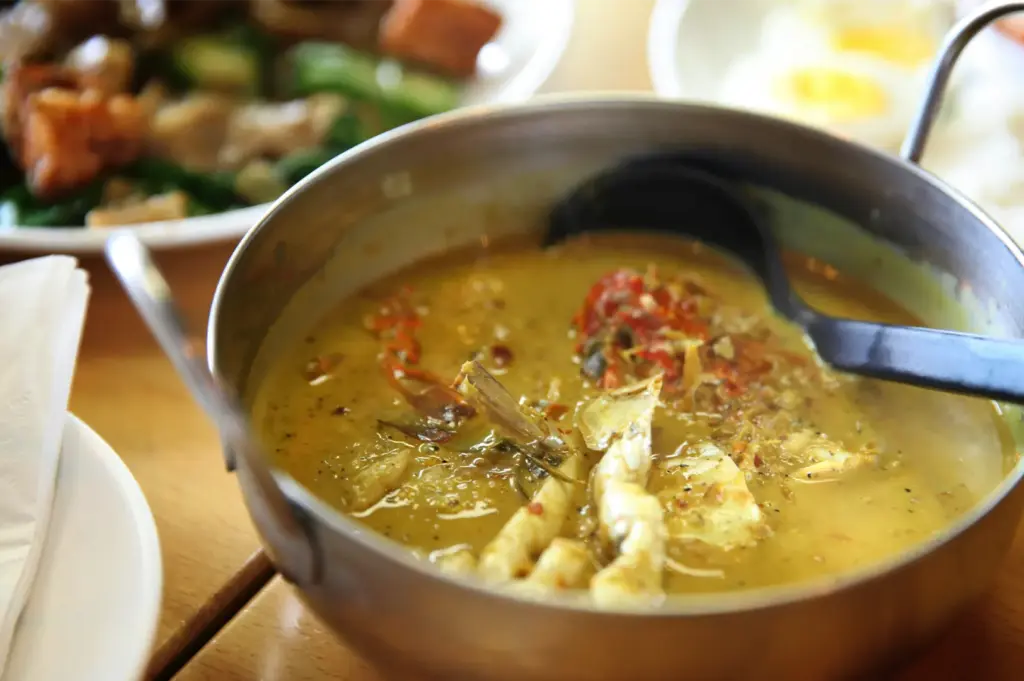
There is a particular kind of dish that asks you to pay attention. Soup curry is one of them. It arrives quietly, without the heavy drama of a thick curry or the urgency of a quick noodle bowl. Instead, it sits in front of you as a wide, fragrant pool, vegetables standing tall, steam rising in slow ribbons. You notice it before you taste it.
For readers who have never encountered it, soup curry is a Japanese dish that originated in Sapporo. It separates curry from its usual identity. Here, the curry is not a thick sauce poured over rice. It is a spiced broth, light enough to drink, deep enough to remember.
A Broth, Not a Blanket
Most curries lean on thickness. They coat, they cling, they settle heavily in the bowl and, eventually, in you. Soup curry takes the opposite path. It prizes the broth over the body.
The liquid is the point. It is built from layers of spice, simmered stock, and aromatics, then left thin and clear by design. You can lift a spoonful and actually see through it. That clarity is not a shortcut. It is the whole philosophy. The flavor lives in the broth, not in the starch.
Vegetables That Refuse to Be Side Characters
In many dishes, vegetables are an afterthought, chopped small and stirred into the background. Soup curry reverses that arrangement.
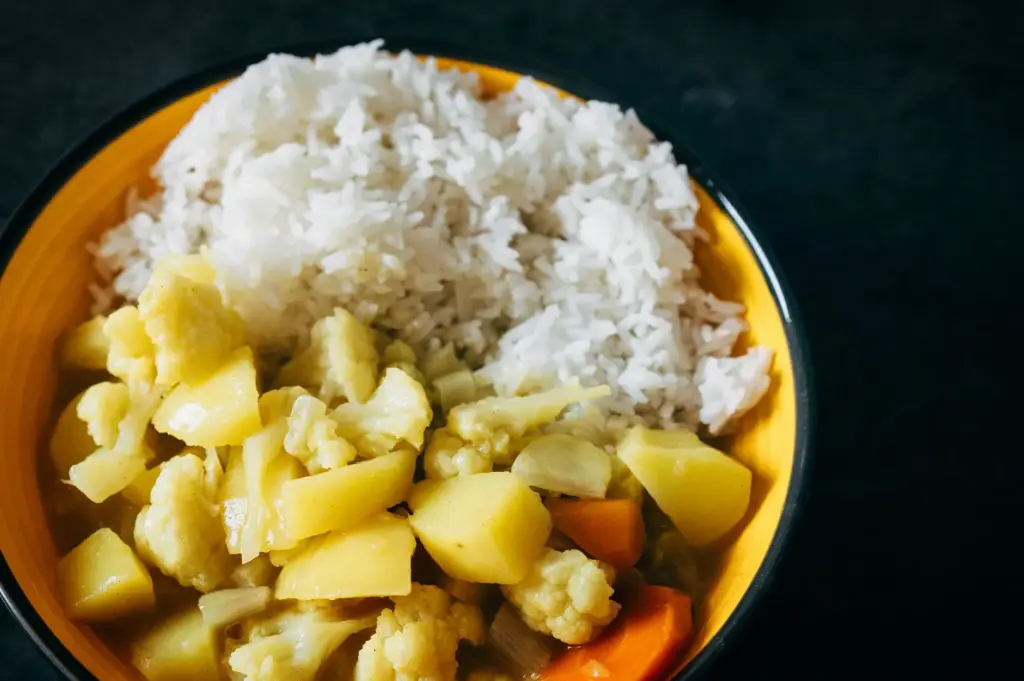
Here, vegetables arrive whole and proud. A roasted half-pepper. A wedge of pumpkin holding its shape. A single broccoli floret, green and intact. Lotus root, eggplant, a soft-boiled egg resting near the rim. They are not hidden in the sauce. They are placed there, deliberately, as the main event.
You eat with your eyes first, then with intention. Each vegetable keeps its own texture and character, so no two spoonfuls feel quite the same.
Comfort Without the Weight
The genius of soup curry is how it comforts without slowing you down afterward. It is warm and deeply spiced, yet it never leaves you heavy.
This is comfort food that respects your evening. You finish the bowl feeling restored rather than full. The spice wakes you up gently. The broth soothes. The vegetables satisfy. Nothing about it demands a nap.
That balance is rare, and it is why the dish lingers in memory long after the bowl is empty.
The Right Bowl for the Right Moment
Some dishes simply taste better in certain weather, at certain hours. Soup curry knows its moments.
After Work
Picture the end of a long day. You do not want something that asks for effort, and you do not want to feel weighed down before bed. Soup curry is the reset. The first spoonful loosens the shoulders. The spice clears the head. By the time the bowl is half gone, the workday has quietly receded.
On a Rainy Day
There is no better companion for rain against the window than a bowl of something warm and clear. The steam matches the grey light outside. The broth answers the chill. It turns a dreary afternoon into a small, contained pleasure, the kind you do not need to share to enjoy.
How to Approach Your First Bowl
If you are trying soup curry for the first time, a few small things make it more rewarding:
- Choose your spice level honestly. The broth is built to carry heat, so start where you are comfortable and climb later.
- Eat the vegetables as they are. Resist the urge to mash everything together. Their separate textures are part of the design.
- Use the rice on the side. Spoon broth over it, or dip a forkful in. Let the rice serve the soup, not the other way around.
A Quiet Kind of Memorable
Soup curry does not try to overwhelm you. It works the other way, drawing you in through restraint, clarity, and warmth. The broth carries the flavor. The vegetables hold the stage. The comfort arrives without the heaviness.
Try it once at the end of a tiring day, or on an afternoon when the rain refuses to stop. You may find, as many have, that it becomes the bowl you reach for when you want to feel restored rather than simply fed.