
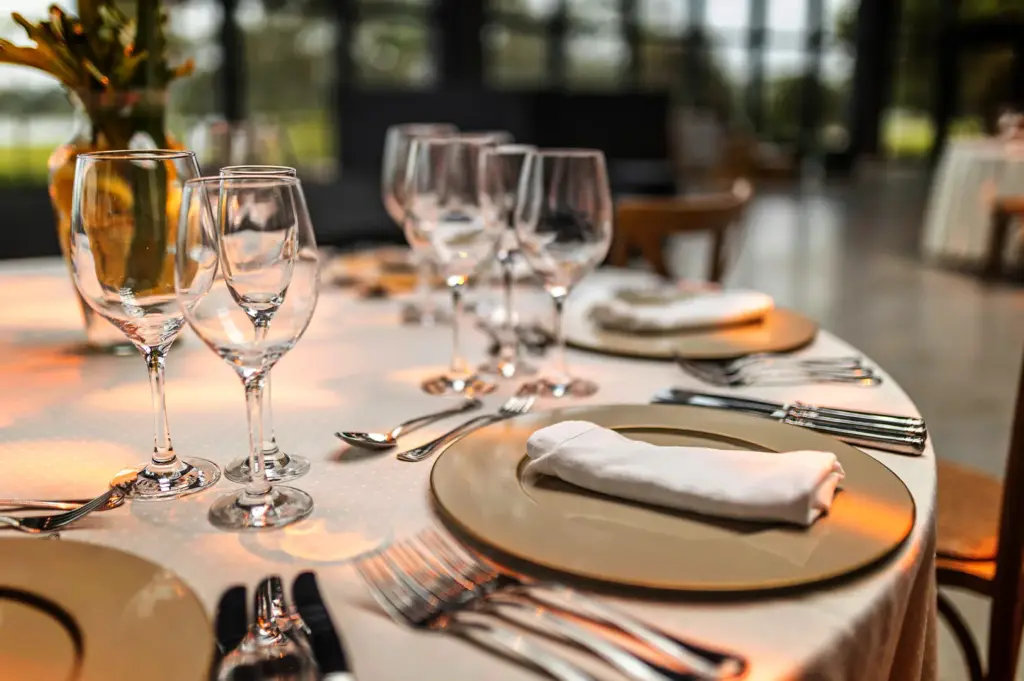
There is a common misconception about fine dining that persists even as the industry continues to evolve. For many people, the phrase still evokes images of rigid formality, hushed dining rooms, and service so structured that it feels almost theatrical. Luxury, in this interpretation, is something that announces itself loudly. It demands attention. It reminds guests of its exclusivity at every opportunity.
Yet the most memorable fine dining experiences rarely operate this way.
The world’s best restaurants understand a simple truth: true sophistication never needs to force itself upon anyone. It does not rely on spectacle alone, nor does it depend on making guests feel intimidated by the setting, the menu, or the occasion. Instead, it creates an atmosphere where excellence feels natural. Every detail is intentional, but nothing feels excessive. Every element is carefully considered, yet the overall experience unfolds with remarkable ease.
The best fine dining experiences never feel forced because they understand that hospitality is not a performance. It is a craft.
At the heart of every exceptional restaurant is a sense of confidence. Not arrogance, but confidence. The kind that comes from knowing exactly who you are and what you are trying to achieve. Restaurants that possess this quality do not chase trends for the sake of relevance. They do not overwhelm guests with unnecessary complexity. They focus on delivering a clear vision with consistency and precision.
This confidence often reveals itself in subtle ways.
It may appear in a menu that prioritizes quality ingredients over excessive elaboration. It may be reflected in a dining room that feels elegant without becoming intimidating. It may emerge through service that is attentive without being intrusive. The guest never feels pressured to admire the experience because the experience speaks for itself.
That sense of ease is far more difficult to create than many realize.
Behind every seamless fine dining experience exists an extraordinary amount of preparation. Chefs spend years refining techniques. Service teams rehearse countless details. Sommeliers develop extensive knowledge. Designers carefully consider everything from lighting to acoustics. Every aspect of the restaurant is meticulously planned.
Yet the guest should rarely feel the weight of that effort.
Like great architecture or exceptional writing, the craftsmanship becomes invisible. What remains visible is the outcome.
This distinction separates truly great restaurants from those that merely appear luxurious.
A forced dining experience often prioritizes performance over connection. It focuses on impressing rather than engaging. Guests may leave acknowledging the technical skill involved, yet struggle to form an emotional attachment to the meal itself.
The finest restaurants achieve the opposite.
They create experiences that feel personal.
This does not necessarily mean personalized in a literal sense. Rather, it means guests feel comfortable enough to immerse themselves fully in the experience. They are free to appreciate the food, the atmosphere, and the company around them without feeling self-conscious.
The role of service is particularly important in creating this environment.
Outstanding hospitality has always been rooted in anticipation rather than interruption. The best service professionals possess an extraordinary ability to understand what guests need before being asked. They know when to explain and when to step back. They know when conversation is welcome and when silence should be respected.
This emotional intelligence is one of the defining characteristics of world-class dining.
Guests rarely remember every detail of a service sequence. What they remember is how they felt throughout the evening. They remember feeling welcomed rather than managed. They remember feeling cared for rather than observed.
When service achieves this balance, the restaurant begins to feel effortless.
Food itself plays a similar role.
Many of today’s most respected chefs have embraced a philosophy of restraint. Rather than pursuing complexity for its own sake, they focus on clarity. They seek to highlight ingredients rather than obscure them. The goal is not to demonstrate technical ability at every opportunity but to create dishes that feel complete and purposeful.
This approach often results in food that appears deceptively simple.
A perfectly prepared piece of fish, a beautifully balanced sauce, or a thoughtfully composed dessert may seem straightforward at first glance. Yet beneath that simplicity lies years of experience and refinement. The dish succeeds because every unnecessary element has been removed.
In many ways, the best fine dining mirrors the broader principles of luxury itself.
True luxury is not defined by abundance. It is defined by intention.
A restaurant does not become exceptional because it offers more. It becomes exceptional because it understands what matters most and executes it consistently. Whether through ingredient sourcing, culinary technique, service philosophy, or atmosphere, every decision contributes to a coherent whole.
This coherence creates trust.
Guests sense when a restaurant knows exactly what it wants to be. They relax into the experience because there is no confusion, no contradiction, and no unnecessary distraction. Everything feels aligned.
Atmosphere, too, deserves greater recognition in conversations about fine dining.
A memorable meal is rarely created by food alone. The environment in which it takes place influences how guests perceive every course. Lighting affects mood. Music influences pacing. Design shapes expectations. Even the distance between tables contributes to comfort and conversation.
The best restaurants understand that dining is an emotional experience as much as a culinary one.
They create spaces that encourage presence.
In a world increasingly defined by distraction, this may be one of fine dining’s greatest strengths. A great restaurant offers a rare opportunity to slow down. Meals unfold over several hours rather than several minutes. Conversations deepen. Attention shifts from screens to people, from urgency to enjoyment.
This ability to create meaningful pauses in everyday life is part of what makes exceptional dining so valuable.
Guests do not simply consume food. They participate in an experience designed to reward attention and appreciation.
Perhaps this is why the most celebrated restaurants often feel surprisingly comfortable despite their reputation. The finest establishments understand that luxury should never create distance between the guest and the experience. Instead, it should remove barriers.
The best fine dining experiences make excellence feel accessible without diminishing its sophistication.
Guests leave feeling enriched rather than overwhelmed. They remember flavors, certainly, but they also remember moments. A conversation that lasted longer than expected. A course that sparked curiosity. A service gesture delivered with perfect timing. A dining room that seemed to slow the passage of time.
These are the details that endure.
Long after menus change and trends fade, the restaurants that remain in our memory are usually those that made us feel something. Not because they demanded admiration, but because they earned it naturally.
The best fine dining experiences never feel forced because they are built on confidence, craftsmanship, and genuine hospitality. They understand that luxury is most powerful when it feels effortless. They recognize that precision does not require rigidity, and sophistication does not require intimidation.
Instead, they create environments where every detail serves a purpose and every element works together seamlessly.
When that happens, diners stop thinking about whether a restaurant is worthy of its reputation. They stop analyzing the mechanics behind the experience.
They simply enjoy it.
And perhaps that is the highest achievement any restaurant can hope for: to make extraordinary work feel completely natural.